Blog

Luftbefeuchter für Senioren: Warum trockene Winterluft über 65 härter trifft – und was wirklich hilft
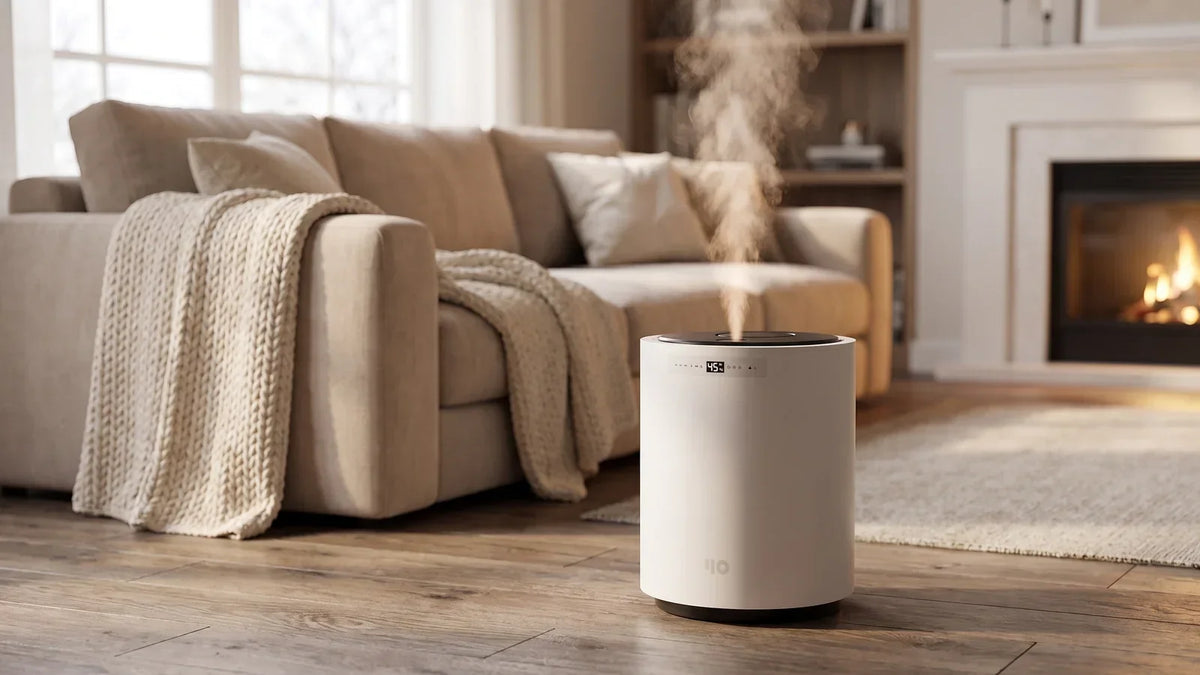
Altern verändert die Art und Weise, wie der Körper auf niedrige Luftfeuchtigkeit reagiert – dünnere Haut verliert schneller Feuchtigkeit, die Schleimhäute der Atemwege trocknen schneller aus und ein weniger robustes Immunsystem verwandelt einen kontaminierten Luftbefeuchter eher in ein echtes Gesundheitsrisiko als in eine kleine Unannehmlichkeit. Dieser Leitfaden behandelt, was tatsächlich passiert, warum die Standardempfehlungen zu Luftbefeuchtern für ältere Erwachsene aktualisiert werden müssen und worauf bei der Auswahl eines solchen Geräts für ein älteres Familienmitglied zu achten ist.
Explore Now
Der vollständige Leitfaden zur Befeuchtung für große Räume und den gewerblichen Einsatz
Die meisten Inhalte über Luftbefeuchter sind für Schlafzimmer konzipiert. Große Räume und gewerbliche Umgebungen funktionieren jedoch anders – jeder Faktor erhöht den Feuchtigkeitsbedarf über das hinaus, was standardmäßige private Luftbefeuchter leisten können. Dieser Leitfaden erklärt, warum große Räume und gewerbliche Umgebungen einen grundlegend anderen Ansatz zur Luftbefeuchtung erfordern – die Ausgangsberechnungen, die tatsächlich funktionieren, die biologischen Sicherheitsanforderungen, die wichtiger sind, wenn Menschen Stunden in einem gemeinsamen Raum verbringen, und die Technologieauswahl, die einen kontinuierlichen Einsatz im gewerblichen Bereich ermöglicht.
Explore Now
Luftbefeuchter während der Schwangerschaft: Was ist sicher, was hilft
Schwangerschaft bringt einzigartige Herausforderungen wie verstopfte Nasen und trockene Haut mit sich, aber billige Ultraschall-Luftbefeuchter können schädlichen Schimmel und Bakterien in die Kinderzimmerluft sprühen. In diesem umfassenden Leitfaden untersuchen wir, was für schwangere Frauen wirklich sicher ist und warum die 100°C-Koch-Sterilisations-Reindampftechnologie von Y&O die ultimative, 100% bakterienfreie Befeuchtung für eine gesunde Schwangerschaft bietet.
Explore Now
Ist ein Dampfbefeuchter für Neugeborene sicher?
Neugeborene haben unglaublich empfindliche Atemwege. Während billige Ultraschall-Luftbefeuchter schädlichen Schimmel, Bakterien und weißen Mineralstaub versprühen, ist ein echtes reines Dampfsystem eine echte Revolution. In diesem Leitfaden erforschen wir die Sicherheit im Babyzimmer und erklären, warum die 100°C kochende, sterilisierende Reindampftechnologie von Y&O die ultimative, 100% bakterienfreie Wahl für fürsorgliche Eltern ist.
Explore Now
Umfassender Leitfaden zur Luftbefeuchtung für Babys: Von der Schwangerschaft bis zum Neugeborenen
Von der Schwangerschaft bis zum Neugeborenenstadium kann unsachgemäße Luftfeuchtigkeit zu Verstopfung und Ekzemen führen, während billige Ultraschallgeräte schädlichen Schimmel und weißen Staub versprühen. In diesem umfassenden Leitfaden erläutern wir die sichere Befeuchtung für Babys und erklären, warum die 100°C reine Dampftechnologie von Y&O die ultimative, 100% bakterienfreie Wahl für fürsorgliche Eltern ist.
Explore Now
Machen Sie Ihr Zuhause bereit für die Heizperiode: Die Checkliste für Luftfeuchtigkeit im September/Oktober
September und Oktober sind entscheidende Monate, um Ihr Zuhause vor dem Einschalten der Heizung vorzubereiten. In diesem Leitfaden teilen wir Ihnen die ultimative Feuchtigkeits-Checkliste für die Vorsaison – vom Entkalken alter Tanks bis zum Testen der Leistung – und erklären, warum ein Upgrade auf Y&Os 100°C-Reinwasserdampftechnologie jetzt Ihre Haut, Ihr Holz und Ihre Gesundheit in diesem Winter schont.
Explore Now
Der nordamerikanische Heizsaison-Feuchte-Leitfaden: Oktober bis April
Von Oktober bis April trocknet das Heizen nordamerikanische Haushalte extrem aus, was zu Nasenbluten, trockener Haut und Holzschäden führt. In diesem umfassenden Leitfaden geben wir Ihnen die genauen Einstellungen für die Raumluftfeuchtigkeit und erklären, warum die 100 °C reine Dampftechnologie von Y&O die ultimative, bakterienfreie Lösung für die lange Heizperiode ist.
Explore Now
HLK-Anlage vs. tragbarer Dampfbefeuchter: Welchen benötigen Sie?
Die Wahl zwischen einem Ganzhaussystem und einem kleineren Gerät kann schwierig sein. In diesem Leitfaden stellen wir 5 grundlegende Fragen, die Ihnen bei der Entscheidung helfen sollen. Entdecken Sie, warum ein tragbarer 100°C-Reinwasserdampf-Luftbefeuchter die hygienischste, kostengünstigste und wartungsfreieste Wahl für Ihr Schlafzimmer oder Büro sein könnte.
Explore Now
Der ultimative Apartment-Luftbefeuchter-Guide: So befeuchten Sie kleine Räume sicher
Das Problem: Kleine Räume schimmeln leicht oder sind mit weißem Staub von falschen Luftbefeuchtern bedeckt. Die Lösung: Achten Sie auf die Leistung (ml/h), nicht auf die Raumgröße. Eine Wohnung von 55-85 m² benötigt etwa 800 ml/h. Die beste Wahl: Dampfbefeuchter (wie Y&O Steam Plus) sind ideal für Wohnungen, da sie Wasser kochen, keinen weißen Staub hinterlassen und keine Filter benötigen.
Explore Now