Skip to content

Christmas Sale: Up to 10% off | Shop now

Blog

What Are the Benefits of Steaming Your Face?

What Are the Benefits of Steaming Your Face?

Steaming your face offers numerous benefits for skin health, including deep cleansing of pores, improved blood circulation, enhanced collagen and elastin production, and a natural glow. It is a popular method in skincare routines to achieve glowing and healthy skin.

Explore Now
The Benefits of Humidifiers for Pets and How to Choose the Right One

The Benefits of Humidifiers for Pets and How to Choose the Right One

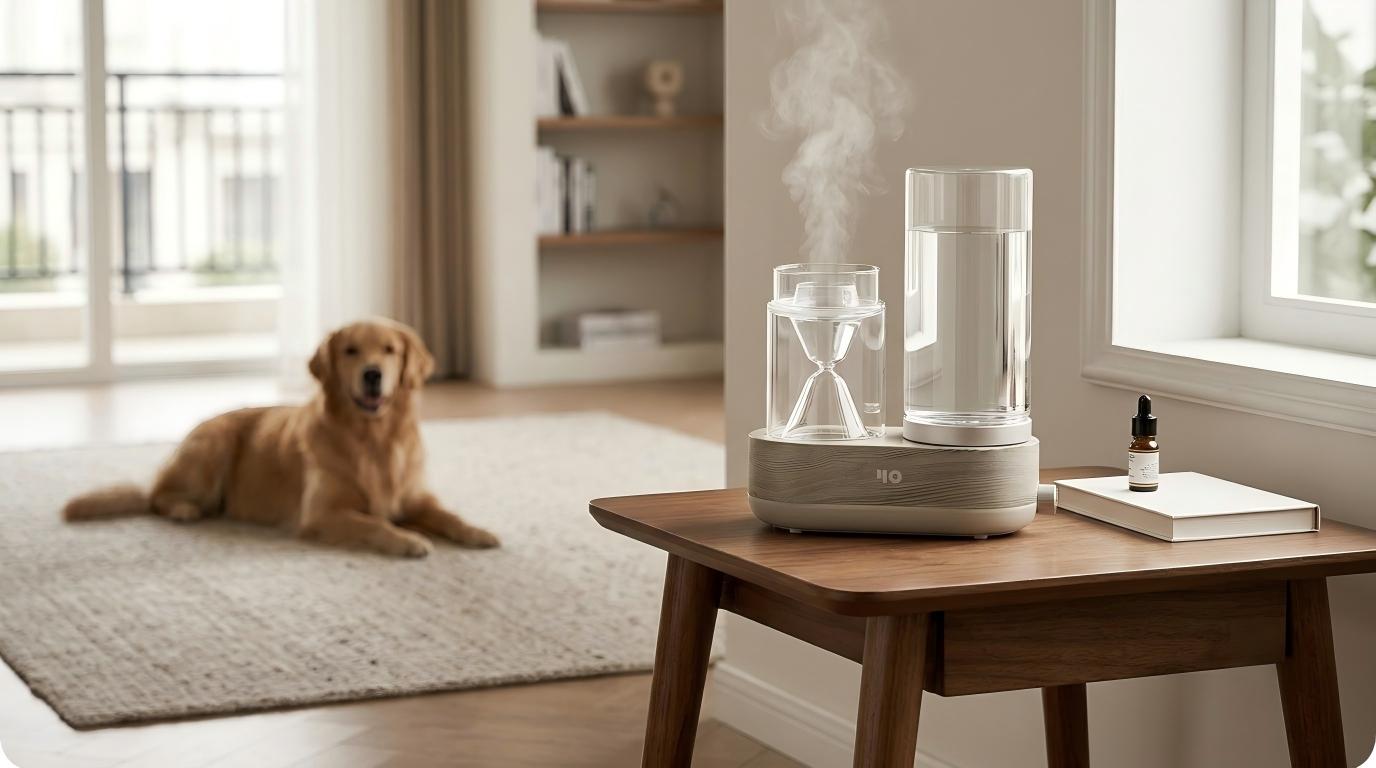
Parrots are tropical birds, and they need a humid environment to thrive. A humidifier can help to maintain the proper humidity levels. It is also something that our furry friends need as well. This is particularly important during the winter when the air inside your home can dry. HUMIDIFIERS FOR BIRDS A humidifier for parrots is designed to provide the right amount of humidity for your feathered friend. It can be set to the desired humidity level and will turn off and on as needed to maintain that level. The humidifier also has a fairly large water tank that allows for extended use. Some humidifiers also have a built-in air purification system that can help remove impurities and dust from the air, which benefits you and all your pets!By providing your parrot with the proper humidity levels, you can help to improve their respiratory health and reduce the risk of respiratory infections.  HUMIDIFIERS FOR DOGS A humidifier can also benefit dogs, especially those with respiratory issues such as allergies or asthma. The dry air inside a home can irritate a dog's respiratory system. By adding moisture to the air, a humidifier can help to alleviate these symptoms.A dog humidifier is designed to provide the proper humidity to your dog's living area and can help to soothe dry, itchy skin. By providing your dog with the proper humidity levels, you can help to improve not only their respiratory health and overall comfort.  HOW DRY AIR AFFECTS YOUR PETS Dry air can affect pets in several ways. The most common effects include dry skin and coat and respiratory issues such as coughing, sneezing, and difficulty breathing (especially for those with pre-existing respiratory conditions). Dry air can also make it more difficult for pets to regulate their body temperature and cause their skin and eyes to get dry and irritated. As a bird or dog owner, ensuring the humidity level in your bird's habitat is appropriate for its well-being is crucial. A lack of humidity can lead to respiratory issues and dry skin, while excessive humidity can promote the growth of bacteria and fungi.Adequate humidity is essential for maintaining the health and well-being of your pet. It helps to keep birds' skin and feathers healthy by stimulating their natural preening instincts and keeping their plumage shiny and clean. TYPES OF HUMIDIFIERS Humidifiers come in various types, each with its own benefits and drawbacks. Their main function is to add moisture to the air, but they do so through different methods. For example, an evaporative humidifier is considered the best option for those with parrots. Plus, it's energy efficient and has filters that block the spread of microorganisms and minerals in the air.A cool-mist evaporative humidifier eliminates the risk of scalding accidents. However, cool-mist humidifiers take longer to reach the desired humidity level and tend to blow cool air, which may not be desirable during the winter.Regular cleaning is necessary to ensure the humidifier stays clean and free from bacteria. Most newer models have filtration to aid this, but it will still require weekly maintenance. A mixture of vinegar and water can be used for cleaning. When choosing a humidifier, it's important to select a model that is easy to clean and consider any antibacterial options available.It's important to remember that a humidifier will be on around a parrot with a sensitive respiratory system and dogs (who can also be sensitive). Never add any chemicals, medicines, or fragrances to the water, and be aware that a dirty humidifier can release unhealthy mold and bacteria into the air. To ensure safety, place the humidifier in an area that distributes the mist evenly and is out of reach from curious beaks and noses. What Is the Ideal Humidity Level for Dogs? The ideal humidity level for dogs (and humans) is around 30-60%. This range is optimal for their respiratory system and overall comfort. Humidity levels that are too high or too low can cause health problems such as dry skin, respiratory infections, and allergies. Dogs with short noses and flat faces, like Bulldogs and Pugs, may have more difficulty breathing in high humidity and may benefit from lower humidity levels.

Explore Now
10+ Essential Oils for Face Steaming | Steaming Guide, Benefits

10+ Essential Oils for Face Steaming | Steaming Guide, Benefits

Face Steaming is one of the best ways to pamper your skin after a tiring day or after returning from a vacation. Face steaming helps to restore the natural shine on the face and keeps the skin youthful and healthy.

Explore Now
Healthy Skin, Even During Winter Weather

Healthy Skin, Even During Winter Weather

Two big factors affect your skin during the winter: colder temperatures and a lack of moisture in the air. Both can damage unprotected skin. By following a few simple self-care steps, though, you can help ensure healthy skin, even during the toughest winter weather. The weather changes that come with winter can have a huge effect on skin. First, the level of moisture in the air, or humidity, drops sharply in winter. The water that skin makes naturally to protect and seal itself is more quickly and easily lost into the air. That process causes skin to become drier and more cracked than normal, making it painful, itchy and prone to infection. Second, when winter comes and the humidity drops, the temperature drops as well. Skin that is exposed to low temperatures becomes vulnerable to conditions like frostbite and pernio, a painful inflammation of small blood vessels in skin that happens in response to sudden warming from cold temperatures. Frostbite and pernio can be serious conditions, often affecting parts of the body — such as ears, chin, lips, fingertips, toes and the tip of the nose — that are located far from core body heat. Other skin problems that can result from winter weather include an increase in dandruff and flare-ups of dermatitis, an inflammation that can lead to swollen, red, itchy skin. In addition, the risk of sunburn is high during the winter because ultraviolet light from the sun is intensified when it reflects off snow, making exposed skin extremely vulnerable to sun damage. There is much you can do to lower your risk of having these skin problems in the winter. First, cover up. Hats, mittens and scarves aren't just for kids. Using them to protect your skin from the cold can help keep skin healthy. If your clothing gets wet when you're outdoors, change as soon as possible because damp clothing against your skin can cause it to soften and break down. Second, get into the habit of moisturizing your skin every day. Look for a hypoallergenic lotion. Avoid moisturizers that have strong perfumes, abrasives or glitter. If a moisturizer seems to irritate your skin, stop using it right away and switch to another brand or formula. Third, when outdoors, wear sunscreen, especially if you're involved in a snowy activity such as skiing, sledding or snowshoeing. If you're concerned about a lack of vitamin D — which you can get naturally from the sun's ultraviolet light — talk to your doctor about ways to include vitamin D in your diet or through a supplement. If dandruff is a problem, over-the-counter shampoos can be helpful. Buy more than one brand and switch from time to time. Alternating the brands is important because after a while dandruff becomes immune to one medication. If you occasionally use a different brand, the medication in the shampoo will be more effective. When you apply dandruff shampoo, don't just put it on your hair. Gently rub the shampoo directly on your scalp and leave it there for five to 10 minutes, so the medication has a chance to work. Finally, using a humidifier in your home during the winter can help add moisture to the air, easing dry skin problems. Just remember to change the filters and water according to the directions, because humidifiers that aren't cleaned properly can lead to infection and other illnesses.

Explore Now
Steam Inhalation Benefits & How to Use

Steam Inhalation Benefits & How to Use

Blocked nasal passages during cold or sinuses can make it difficult to breathe. At times, it also causes sleep disturbance. One of the best home remedies that you can try for immediate relief from nasal blockage is steam inhalation. This blog explains the various benefits of steam inhalation.

Explore Now
Facial Steaming: The Benefits, Risks, and Best Practices

Facial Steaming: The Benefits, Risks, and Best Practices

Facial steaming has been a popular skincare technique for centuries. The steam opens up your pores, allowing your skin to better absorb moisturizers and other skincare products. However, there are several important things you need to know before incorporating facial steaming into your routine.

Explore Now
Humidity in Rooms – Information & Tips

Humidity in Rooms – Information & Tips

50 percent relative humidity and a temperature of 20 degrees - on average, this is considered the perfect indoor climate. Air that is too dry is not good for your mood and health. On the other hand, air that is permanently too humid is also not healthy because it promotes the formation of mold. Humidity varies depending on the room and temperature. Up to a certain point, this is fine and can of course be regulated by appropriate ventilation.

Explore Now
Can You Use a Humidifier Without a Filter? The Surprising Truth

Can You Use a Humidifier Without a Filter? The Surprising Truth

Yes, you can use a humidifier without a filter. There is a type of thermal evaporative humidifier that can be used without daily cleaning. It can also maintain optimal performance and hygiene.

Explore Now
Why Controlling Indoor Humidity in Winter Conditions Matters

Why Controlling Indoor Humidity in Winter Conditions Matters

Old man winter has settled right in for a long visit, meaning cold temperatures, inclement weather and a need to spend more time indoors is upon us. With that said, it’s surprising how many businesses don’t prioritize proper humidity control in their operating environments. Whether you’re a candy maker or aerospace manufacturer, keeping conditions just right with adequate relative humidity (RH) can create the ideal atmosphere for your employees, visiting clients and other occupants.

Explore Now