Blog
Types and Important Features of Room Humidifiers
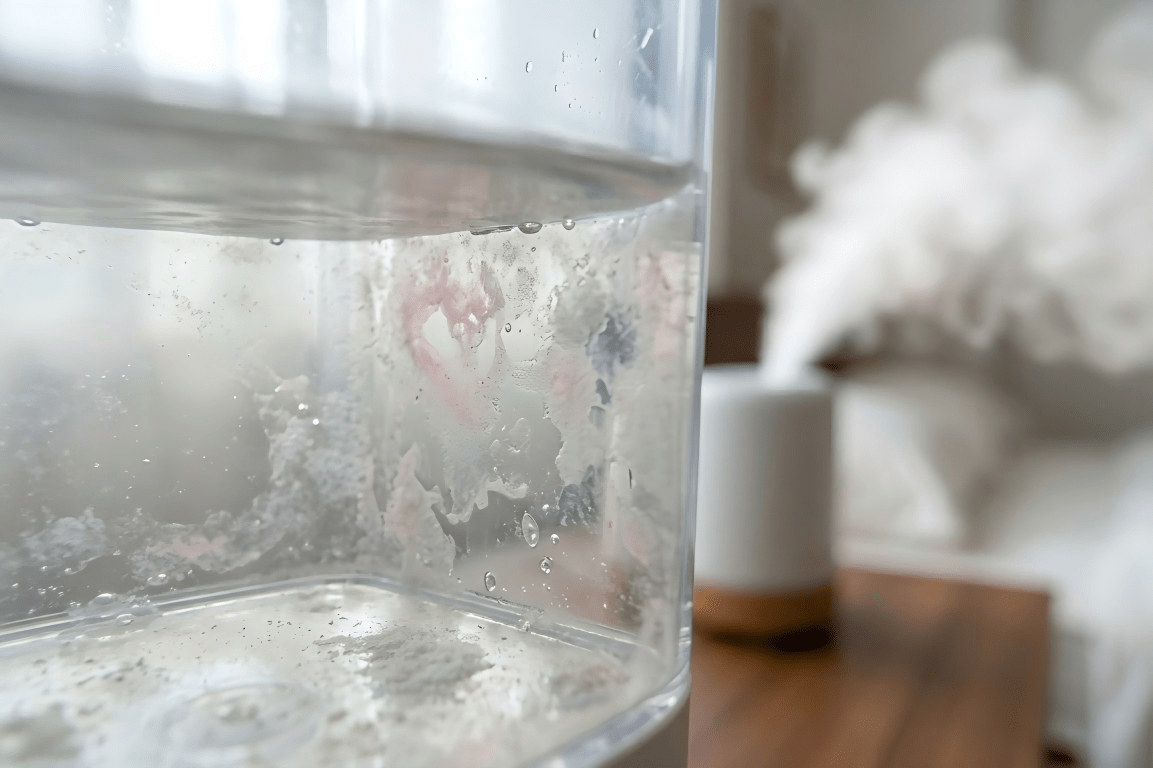
Dry air isn't just noticeable by a scratchy throat or chapped lips, it can also increase your risk of contracting the flu virus. To improve your health, you can use a humidifier to provide ideal humidity in your home. Humidification can also reduce dust contamination, thereby reducing allergy symptoms. There are a few options on how to use a humidifier to combat dry air. Each humidifier model has its own advantages and disadvantages.
Explore NowClimate Change Is Driving Longer, More Severe Pollen Seasons, Study Finds
If it feels like your seasonal allergies have become more severe and longer-lasting in recent years, you may be right. And new research shows climate change is to blame. In a study published last week in the Proceedings of the National Academy of Sciences, researchers found that on average, pollen seasons in North America lengthened by 20 days and contained 21% more pollen since 1990. The culprit, they found, is increased atmospheric temperatures and levels of carbon dioxide. Researchers have studied the growing pollen season and the effects of warming temperatures on pollen production in controlled settings for decades. But this research makes clear that climate warming is responsible for these changes—scientists determined that human-forced changes in climate contributed to about half of the trend in pollen seasons and about 8% of the trend in pollen concentrations. Why the Season Is Growing The researchers tracked factors like temperature, precipitation levels, frost days, and atmospheric carbon dioxide concentrations to understand their impact on pollen production. Their models show that between 1990 and 2018, temperature had the strongest impact, accounting for 14% to 37% of the variance. Carbon dioxide concentrations had some detectable effect on pollen outcomes, but it doesn’t appear to be as strong of a driver for the change. William Anderegg, PhD, assistant professor of biology at the University of Utah, tells Very well that warming temperatures signal to plants that it’s time to produce and release pollen. With more warm days early on, pollen seasons simply grow longer. Climate change “is kind of relaxing the constraints of plant physiology and really lengthening the growing season, which is also tightly coupled with the pollen season,” Anderegg says. The changes in pollen season and concentration were most pronounced in Texas, the Midwest, and the Southeast U.S. Anderegg says he expected to see more pollen production in regions with the greatest rates of warming, such as the Great Lakes and New England areas. He hypothesizes that the particular plants that grow in the regions that saw the most change are those that are most sensitive to temperature change. Keeping Tabs on a Warming Climate The researchers collected data from 60 pollen monitoring stations managed by the National Allergy Bureau. Pollen counters collect and hand-count pollen samples, and researchers only included stations that have five or more years’ worth of data. Aaron Bernstein, MD, MPH, interim director of the Center for Climate, Health and the Global Environment at the Harvard T.H. Chan School of Public Health, tells Verywell that unlike clinical or lab studies, in which scientists can manipulate a single variable, it’s difficult to parse out many interwoven factors when studying climate. So, scientists turn to attribution models, which can indicate the degree to which natural events would be worse than they would have been in a world with no human-caused climate change. The researchers used these computer models to understand how trends in pollen seasons would differ without the effects of climate change. As scientists continue to study changes in pollen seasonality, creating more robust pollen counting systems may grow increasingly important. “I think it's really quite clear we need a lot more monitoring and measurement of pollen trends across the U.S., that if you compare how much we monitor pollen to any other airborne pollutants, we monitor it much, much less than other pollutants,” Anderegg says. Impact on Health The authors state that pollen allergies can affect the health of people with asthma, students’ ability to focus in school, and people’s susceptibility to respiratory illness. According to the Centers for Disease Control and Prevention (CDC), 19.2 million adults have been diagnosed with hay fever—an allergic reaction to pollen—in the last year.2 Bernstein notes that there are available allergy medications that can provide rapid and effective relief to many people who suffer from pollen allergies. Still, for people who are unable to access medication or suffer severe asthma, greater exposure to pollen can be highly detrimental, especially when combined with other climate-driven factors. “As with so many things at a larger scale with climate, this is one facet of a much broader suite of health concerns, and you can't look at them in isolation,” Bernstein says. For instance, the same heat that’s prolonging the growing season is causing heatwaves and inducing air pollution. Each of these consequences has adverse health effects—heat can make it difficult to concentrate and may exacerbate medical conditions, and smog can take a toll on the lungs. Warming can even drive insect population changes, which then impacts outcomes like insect-transmitted disease and the population of certain species which can kill trees and induce wildfires. Altogether, these factors can compound the health effects of asthma and pollen allergies. “I think this is a smoking gun of the health risk from climate change that is probably clearer than any other,” Bernstein says. “And yet it's just one signal among many that come from the same warming of the planet.” Though this particular study doesn’t connect pollen production with health outcomes, the findings support years of research on asthma and allergy suffering due to pollen. Anderegg says he hopes to research how regional pollen trends are related to health outcomes, such as hospital admissions for asthma. Bernstein says that for people with asthma and allergies, the effects of climate change can be immediate and dangerous. When crafting climate solutions, he says, people must envision short-term solutions to meet urgent health needs, in addition to long-term goals. “We will always have challenges that are more immediate than what climate change will bring in decades to come,” Bernstein says. “And if we continue to do research about a world no one's living in yet, we will never, in my view, get the attention, engagement, and action needed to push forward the solutions to climate change that are there so urgently needed.”
Explore Now5 reasons why steam inhalation may improve your respiratory health
Steaming is an age-old remedy that is particularly beneficial for respiratory issues. Here we list the health benefits of steam inhalation.
Explore NowWarm Mist vs Cool Mist Humidifier:Which One Should You Choose?
Humidifiers are a common household item, especially for parents with young children. They add moisture to the air, which can moisturize mucous membranes and prevent physical discomfort caused by dry mouth, lips, and throat. Using a humidifier can even improve coughs and nasal congestion. Both warm mist and cool mist humidifiers are available. Which one you choose depends on the purpose and the features you need.
Explore NowIs It Good to Sleep with a Humidifier? The Key to Getting the Rest You Need
Good sleep is crucial to your overall health. It is one of the building blocks in managing your weight, uplifting your emotions, physical performance, and mental well-being. Besides feeling rested and ready to attack your day, you need sleep to regulate many critical body systems. One of the best ways to boost your sleep hygiene and get the slumber you need is to use a humidifier. When you keep your home or sleeping area moist and comfortable, you end up with fewer sinus problems, bloody noses, cracked lips, and feelings of congestion. Knowing how to improve your sleep with everything from a humidifier for baby rooms to a warm mist humidifier in your guest lodging is a great way to enjoy a happier, healthier life. The Many Benefits of Sleeping with a Humidifier If you’re still on the fence about buying a baby humidifier or installing a mobile solution for your personal living space, here are some of the benefits you can expect to experience. Improved Breathing Adding a steam humidifier to an area of your home imbues the space with moist air. It helps eliminate dry air that often clogs you up with nose congestion or dry mouth. The warmer, humid air enhances oxygen intake by opening airways and, in some cases, helps reduce or stop snoring that keeps your partner up all night. Keep Skin Hydrated Living in a dry environment or dealing with the dryness from a harsh winter means equally dry skin. Itching, flaking, and feelings of discomfort follow such dry skin because the natural moisture in your body evaporates into the air. With a large room humidifier, you get moisture that directly helps maintain skin hydration, preventing that feeling of itchiness in you and your baby. Relief from Allergies and Asthma Over 100 million people in the U.S.A. suffer from some form of allergy. About 1 in 3 adults have a seasonal allergy. While many of these are related to food or pet dander, the air environment in your home also plays a significant role. A warm air humidifier alleviates many symptoms of allergies and asthma, helping reduce airborne irritants like pollen, dander, and dust. Stay Comfortable in Winter Colder months bring indoor heat. All these systems, like wood stoves or forced hot air, dry out the environment. Whole house humidifiers help reinstate humidity into the air so you don’t get sleep disrupted by constantly aggravated throats or nasal passages – allowing you to enjoy a restful night while it’s snowing outside. Support for Babies and Children The best humidifier for baby family members works well to mitigate the effects of dry air. Your little loved ones need a healthy respiratory environment to get the sleep they (and you) need. Otherwise, you’ll be dealing with a fussy baby all day while trying to get work done or with other social obligations. What Is the Best Humidity Level for Sleep? The U.S. Environmental Protection Agency (EPA) suggests keeping your indoor humidity levels between 30% and 50%. This level offers the best balance of comfort and health. Anything lower will likely cause you to encounter dry skin or irritants. Going higher could lead to an increase in dust mites or mold around your home. Always set your steam humidifier to that target range. That is where you’ll find the most benefit and get the full night’s sleep you need for tomorrow. Potential Risks or Concerns Like most other devices around your home, there are some risks you should always account for before utilizing that tool. A large humidifier is no different. Some common issues to keep an eye out for include: Excessive Humidity:Having too much humidity in the air leads to an increase in mold growth. It is like visiting an indoor greenhouse that feels like a jungle instead of a comfortable setting. Unclean Humidifiers:Always check your whole house humidifier for clogged filters or dust buildup. Maintaining your device is crucial to reducing minerals or potential microbes. Producing Mites & Dust:Humidifiers rely on water. If you have hard water in your home, you could emit “white dust,” resulting from mineral deposits. Stick to distilled water or install a home water softener. Tips for Using a Humidifier Safely While Sleeping It is equally important when using a humidifier for baby or a warm mist humidifier for your bedroom to keep things safe and functioning efficiently. Some ways to ensure that effectiveness include: Monitor Humidity Levels:Use a tool like a hygrometer or built-in system on the device to accurately measure the percentage level of humidity inside your room (30-50%). Clean the Device:Keep your adult or baby humidifier nice and clean by checking the filter, following the manufacturer’s instructions, and using clean water. Optimal Placement:Where you place your evaporative humidifier matters. You don’t want to over-concentrate moisture in any one area. Use a flat surface, preferably near a cold air return, to distribute the warm, moist air. What Type of Humidifier Should You Use? Steam Humidifiers The best humidifier for baby depends on your unique situation. A steam humidifier heats up water, cools it slowly, then releases it into the air. This method helps kill unwanted bacteria and mold spores, making for a hygienic humidification process great for sensitive family members and colder months. A good example is the YO 10L Steam Whole House Humidifier. It has a 3-year limited warranty, offering a 99.9% germ-free device that is perfect for large rooms and high-capacity usage. Console Humidifiers Those looking for whole house humidifiers may want a console device. They are designed to work in larger areas and come in a cabinet-style enclosure that can hold much more water than smaller models, often requiring frequent refills. Cool Mist Humidifiers Sometimes called “impeller humidifiers,” this option uses a rotating disk to fling water at a diffuser, breaking the water into fine droplets that float into the air. Without the heating element, they are a good choice for homes with pets or younger kids. Ultrasonic Humidifiers Instead of heat or flinging cool water, this device uses ultrasonic vibrations to cultivate a fine mist. Those needing a quiet sleep environment may seek out ultrasonic solutions in bedrooms and study areas. Central Humidifiers Some homes in hot, southern regions have central humidifiers built into the HVAC system. The warm air humidifier adds humidity to the entire living space in an efficient way for multiple rooms. Getting Started with the Best Humidifier The best-fit humidifier will depend on your unique needs and desired sleeping environment. If you still need a safe and reliable device choice, you cannot go wrong with the YO 10L Steam Whole House Humidifier. Having a large room humidifier will help you finally get that long night's sleep you, your baby, your pets, and any other houseguests need to feel energized and refreshed the next day. FAQs Is it beneficial to use a humidifier every night while sleeping? Utilizing a steam humidifier in your home helps reduce dry living spaces, boosts your sleep quality, and makes breathing easier by cutting down on nasal congestion, sleep apnea, or snoring. How far away from the bed should the humidifier be? The general rule of thumb is to place whatever small or large humidifier you’re using at least three feet from your bed. That helps distribute the moisture you want without overconcentrating on an immediate area that may grow mold or mildew. Are humidifiers good for the lungs? As long as you properly maintain your whole house humidifier, extra moisture can help keep the airways open and flowing well, often soothing irritated tissues around the lungs. How long should you run a humidifier in your bedroom? Try to keep a humidifier running for as long as you typically sleep. Be sure to have a way to measure the humidity level (like a hygrometer), so you are maintaining the optimal moisture you want. Can a humidifier help improve my sleep quality? Absolutely! A humidifier reduces dryness in the throat and nasal passages, giving you more oxygen flow as you sleep so you feel rested when you wake. That improves your mental, physical, and emotional well-being.
Explore NowThe 40-60 Rule: Why Relative Humidity is Necessary for Our Health
Managing a happy, healthy household can present challenges, especially if your indoor air quality is less-than-deal, temperatures regularly fluctuate, and conditions are either too dry or damp.
Explore NowSteam Inhalation: What Are the Benefits?
Steam inhalation won’t directly treat an illness, but it can help to loosen mucus and decrease irritation in your sinuses. Steam inhalation is one of the most widely used home remedies to soothe and open the nasal passages and get relief from the symptoms of a cold or sinus infection. Also called steam therapy, it involves the inhalation of water vapor. The warm, moist air is thought to work by loosening the mucus in the nasal passages, throat, and lungs. This may relieve symptoms of inflamed, swollen blood vessels in your nasal passages. While steam inhalation won’t cure an infection, like a cold or the flu, it may help make you feel a lot better while your body fights it off. But as with any home remedy, it’s important to learn best practices so you don’t hurt yourself in the process. What are the benefits of steam inhalation? A stuffy nose is triggered by inflammation in the blood vessels of the sinuses. The blood vessels can become irritated because of an acute upper respiratory infection, such as a cold or a sinus infection. The main benefit of breathing in moist, warm steam is that may help ease feelings of irritation and swollen blood vessels in the nasal passages. The moisture may also help thin the mucus in your sinuses, which allows them to empty more easily. This can allow your breathing to return to normal, at least for a short period of time. Steam inhalation may provide some temporary relief from the symptoms of: the common cold the flu (influenza) sinus infections (infectious sinusitis ) bronchitis nasal allergies While steam inhalation can provide subjective relief from the symptoms of a cold and other upper respiratory infections, it won’t actually make your infection go away any faster. Steam inhalation doesn’t actually kill the virus responsible for the infection. At best, steam inhalation might make you feel a little better as your body fights your cold. One review of six clinical trials evaluating steam therapy in adults with the common cold had mixed results. Some participants had symptom relief, but others didn’t. Additionally, some participants experienced discomfort inside the nose from the steam inhalation. Another recent clinical trial looked at the use of steam inhalation in treating chronic sinus symptoms. The study, however, didn’t find that steam inhalation was beneficial for the majority of sinus symptoms, except for headache. Although the results of clinical studies have been mixed, anecdotal evidence claims steam inhalation helps alleviate: headache congested (stuffy) nose throat irritation breathing problems caused by airway congestion dry or irritated nasal passages cough How to inhale steam You’ll need the following materials: a large bowl water a pot or kettle and a stove or microwave for heating up water towel Here’s the process: Heat up the water to boiling. Carefully pour the hot water into the bowl. Drape the towel over the back of your head. Turn on a timer. Shut your eyes and slowly lower your head toward the hot water until you’re about 8 to 12 inches away from the water. Be extremely careful to avoid making direct contact with the water. Inhale slowly and deeply through your nose for at least two to five minutes. Don’t steam longer than 10 to 15 minutes for each session. However, you can repeat steam inhalation two or three times per day if you’re still having symptoms. You can also purchase an electric steam inhaler (also called a vaporizer) online or at a drugstore. For these, you just need to add water to the level indicated and plug in the system. The vaporizer uses electricity to make steam that cools before exiting the machine. Some vaporizers come with a built-in mask that fits around your mouth and nose. Steam vaporizers can get dirty with germs quickly, so you’ll need to wash it often to prevent bacterial and fungal growth. Wash the bucket and filter system every few days during use, too. Side effects of steam inhalation Steam inhalation is considered a safe home remedy if done right, but it’s very possible to hurt yourself unintentionally if you’re not careful. There’s a risk of scalding yourself if you make contact with the hot water. The biggest risk is accidentally knocking over the bowl of hot water into your lap, which can cause severe burns in sensitive areas. To avoid burns: Make sure the bowl of hot water is on a level, sturdy surface and can’t be knocked over. Don’t shake or lean on the bowl. Avoid allowing the steam to make contact with your eyes. Your eyes should be closed and directed away from the steam. Keep the bowl of hot water out of reach of children or pets. Steam inhalation isn’t advised for children due to the risk of burns. In fact, one study Trusted Source found that most people who received burns from steam inhalation therapy were children. However, you can have your child sit in a steamy bathroom while you run hot water in the shower for a similar effect. Steam inhalation systems that you can purchase online or in stores are generally safer, as the water is enclosed and can’t easily spill on your skin. The takeaway Steam inhalation may be an effective way to clear up your nasal and respiratory passages when you’re sick with a cold or the flu, but it won’t actually cure your infection. Your body’s immune system will still do the bulk of the work to get rid of the virus causing your symptoms. Like many home remedies, always proceed with a grain of salt. What works for one person might not work for you. If you experience any discomfort, pain, or irritation from using steam therapy, stop using it and look for other ways to alleviate your symptoms. If you’re feeling under the weather for more than a week or have severe symptoms, make an appointment to see your doctor.
Explore NowUnderstanding Steam Humidifiers
When looking at steam humidifiers, it is crucial to understand how they work. Steam humidifiers, also known as evaporators, boil water to create steam. This steam cools slightly before leaving the humidifier, creating a warm, clean mist. It does not come with a filter, and there is no maintenance. During the colder months, parents often choose warm mist for their children because they can slightly warm the air in the room.
Explore Now