
Irgendwo in den Unterlagen, die Sie bei der Installation Ihres Parkettbodens unterschrieben haben, gibt es eine Klausel, die Sie wahrscheinlich nicht gelesen haben.
Darin steht, dass der Hausbesitzer dafür verantwortlich ist, die relative Luftfeuchtigkeit in Innenräumen ganzjährig zwischen 30–35 % und 50–55 % RH zu halten. Es heißt, dass die Nichteinhaltung dieser Vorgabe die Garantie erlöschen lässt. Und es nennt Trockenluftschrumpfung – genau die Lücken, die jeden Januar auftreten – als eine ausdrücklich ausgeschlossene Bedingung.
Bruce, Bellawood, Mirage, Shaw, Mohawk und praktisch jeder andere große Parketthersteller geben in der Garantie einen Feuchtigkeitsbereich an. Dieser Bereich ist keine Empfehlung – es ist eine vertragliche Verpflichtung, die der Hausbesitzer bereits akzeptiert hat, meist ohne es zu wissen. Dieser Leitfaden behandelt, was Ihre spezifische Garantie wahrscheinlich erfordert, was mit dem Boden passiert, wenn Sie außerhalb des Bereichs liegen, und wie eine Befeuchtungseinrichtung aussieht, die das Ziel durch einen echten nordamerikanischen Winter tatsächlich hält.
Die Garantieklausel, die die meisten Hausbesitzer nie lesen
Hersteller schreiben diese Klauseln, weil das Verhalten von Holz vollständig vorhersehbar ist. Hartholz dehnt sich mit der Umgebungsluftfeuchtigkeit aus und zieht sich zusammen – dies ist kein Mangel, sondern die physikalische Natur des Materials – und die Toleranz für diese Bewegung ist in die Dielenbreite, die Installationsfugen und die Oberfläche eingearbeitet.
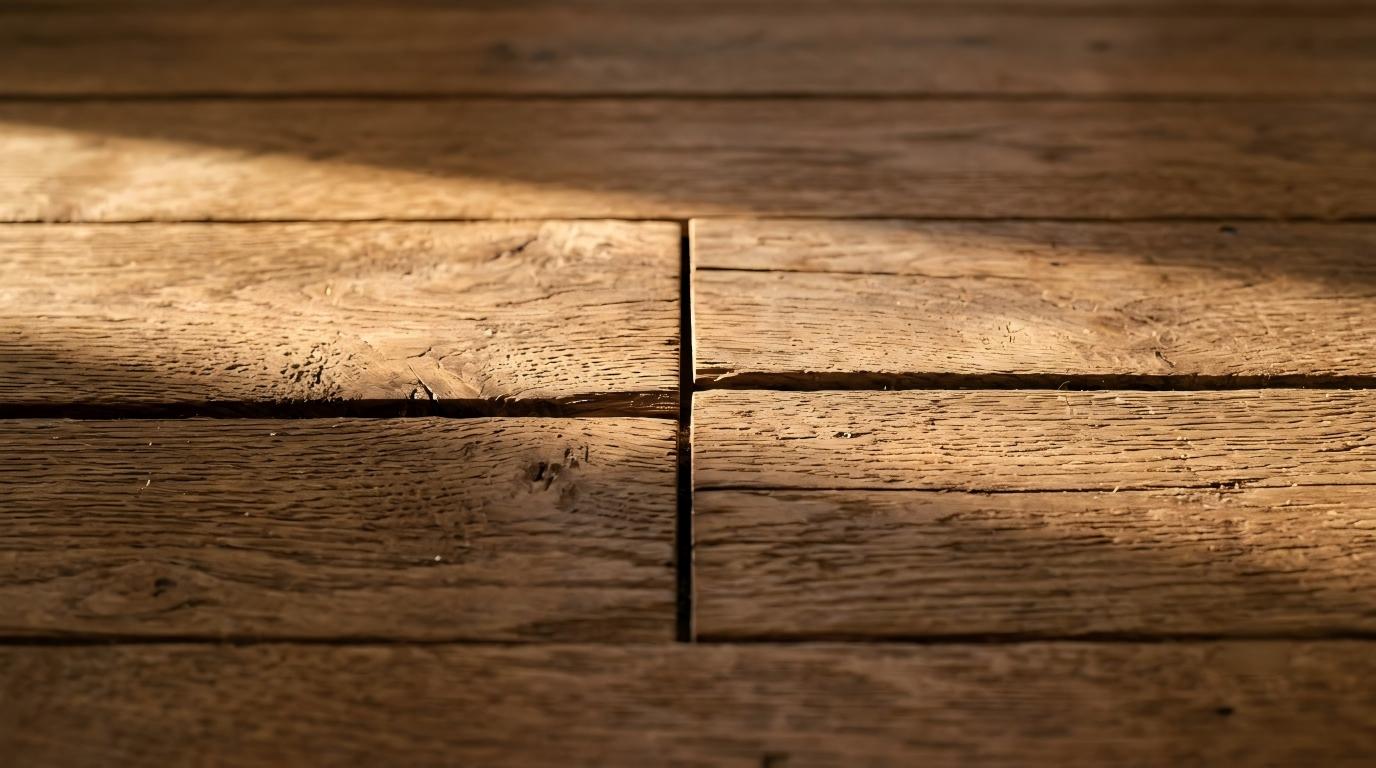
Außerhalb des angegebenen Feuchtigkeitsbereichs bricht diese technische Annahme zusammen. Dielen schrumpfen weiter, als die Nut-und-Feder-Verbindungen ausgelegt waren, es entstehen Lücken zwischen den Brettern, und die Oberfläche kann feine Risse entlang der Maserung entwickeln. Der Hersteller weiß, dass dies geschehen wird; die Garantieerklärung ist die Art und Weise, wie er die Verantwortung für die Vorbeugung auf die Person legt, die tatsächlich im Haus wohnt.
Überprüfen Sie die Installationsunterlagen oder die Pflegeanleitung des Herstellers. Die Spezifikation des Feuchtigkeitsbereichs ist fast immer vorhanden, und Trockenluftschäden sind fast immer in der Liste der ausgeschlossenen Bedingungen aufgeführt. Dies beeinflusst jeden zukünftigen Anspruch, den Sie möglicherweise geltend machen – und es bedeutet, dass das Feuchtigkeitsziel nicht optional, sondern vertraglich bindend ist.
Was die großen Hersteller tatsächlich angeben
| Hersteller | Erforderlicher RH-Bereich | Anmerkungen |
|---|---|---|
| Bruce / Armstrong | 35–55% | Ganzjährig; Schäden außerhalb dieses Bereichs von der Garantie ausgeschlossen |
| Bellawood (Lumber Liquidators) | 35–55% | „Der Hausbesitzer ist für die Aufrechterhaltung einer konstanten Luftfeuchtigkeit verantwortlich“ |
| Mirage | 40–55% | Höhere untere Grenze; explizite Empfehlung der Befeuchtung des gesamten Hauses |
| Shaw | 35–55% | Pflegeanleitung weist darauf hin, dass Lücken in der Trockenzeit „normal“ sind – aber nicht abgedeckt |
| Mohawk | 35–55% | Garantie schließt ausdrücklich „dimensionsbedingte Änderungen aufgrund von Umwelteinflüssen“ aus |
| Somerset | 30–50% | Spezifisch für Massivholz (Eiche); größere Toleranz als bei den meisten |
| NWFA (Industriestandard) | 30–50% | Allgemeine Empfehlung der National Wood Flooring Association |
Überprüfen Sie die aktuelle Pflegeanleitung Ihres Herstellers für die genauen Zahlen – diese werden regelmäßig aktualisiert. Aber das Gesamtbild ist klar: Der Zielbereich liegt ungefähr bei 35–50 % RH, und die meisten großen Hersteller möchten, dass Sie sich jederzeit über dem unteren Ende dieses Bereichs befinden.
Was tatsächlich mit Parkett unter 30 % RH passiert
Holz enthält gebundenes Wasser in seiner Zellstruktur – normalerweise 6–9 % des Gewichts bei ordnungsgemäß akklimatisiertem Bodenbelag. Dieses Wasser ist nicht optional. Es ist Teil dessen, was die Diele in ihren installierten Dimensionen hält und verhindert, dass die Oberfläche beansprucht wird.
Wenn die Umgebungsfeuchtigkeit unter den Bereich fällt, an den der Boden akklimatisiert wurde, gibt das Holz diese innere Feuchtigkeit an die umgebende Luft ab. Die Diele schrumpft. Zuerst nicht sichtbar – die Veränderung wird in Bruchteilen eines Millimeters pro Brett gemessen. Aber über einen 20 Fuß breiten Raum summieren sich diese Bruchteile zu sichtbaren Lücken.
Wo der Schaden tatsächlich auftritt
Die sichtbaren Anzeichen chronisch niedriger Luftfeuchtigkeit bei Parkettböden sind konsistent genug, um eine Diagnose zu ermöglichen. Jedes dieser Anzeichen bedeutet, dass der Raum lange genug zu trocken war, damit das Holz reagieren konnte:
- Sichtbare Spalten zwischen den Dielen, meist zuerst an den Dielenenden bemerkbar, wo sich die Fugen konzentrieren.
- Ein trockenes, staubiges Gefühl der Oberfläche unter den Füßen – die Oberfläche selbst verliert auch Feuchtigkeit.
- Wölbung in umgekehrter Richtung (Kanten niedriger als die Mitte), da die Oberfläche schneller trocknet als die Unterseite.
- Feine Haarrisse entlang der Maserung, am deutlichsten bei Streiflicht sichtbar.
- Quietsch- und Knarrgeräusche, die im Herbst noch nicht da waren – Unterboden und Boden bewegen sich unterschiedlich.
- In extremen Fällen Delamination der Oberfläche an den Dielenkanten.
Die Luftfeuchtigkeit im Frühling bringt eine teilweise Erholung, aber Holz, das mehrere trockene Winter durchgemacht hat, wird nicht genau zu den Maßen des Installationstages zurückkehren. Jeder Zyklus hinterlässt eine Restlücke. Deshalb drängen die Hersteller so sehr auf eine ganzjährige Feuchtigkeitskontrolle – nicht um Schäden nachträglich zu beheben, sondern um deren Entstehung zu verhindern.

Massivholz, Parkett, Bambus und LVP – welcher reagiert am empfindlichsten auf Feuchtigkeit?
Nicht jeder Bodenbelag im „Hartholz-Stil“ reagiert auf trockene Luft gleich. Wenn Sie nicht wissen, welchen Sie haben, macht die Garantieerklärung dies in der Regel deutlich – und die Feuchtigkeitsempfindlichkeit variiert je nach Konstruktion erheblich.
| Bodentyp | Trockenluftempfindlichkeit | Typischer erforderlicher RH-Bereich |
|---|---|---|
| Massivparkett (Eiche, Ahorn, Nussbaum, Hickory) | Höchste – die volle Dielenstärke reagiert auf Feuchtigkeitsänderungen | 35–55% |
| Breite Massivholzdiele (Breite 5"+) | Extrem – Spaltbreite skaliert mit Dielenbreite | 40–55% (engere Toleranz) |
| Fertigparkett (Sperrholzkern) | Mittel – querverleimte Konstruktion reduziert Bewegung | 35–55% |
| Bambus (Strand-Woven oder horizontal) | Mittel – verhält sich ähnlich wie Fertigparkett | 40–60% |
| Design-Vinylboden (LVP) | Gering – synthetisch, minimale Feuchtigkeitsreaktion | Normalerweise nicht angegeben |
| Laminat | Mittel – der HDF-Kern reagiert auf extreme Feuchtigkeit | 35–65% |
Breitere Dielen und Massivbauweise erhöhen das Risiko. Ein 5" oder 7" breiter Massivholzboden entwickelt in den gleichen trockenen Bedingungen sichtbar größere Spalten als ein 3" breiter Dielenboden, da die gleiche prozentuale Schrumpfung eine größere absolute Bewegung pro Brett bewirkt. Aus diesem Grund geben breite Dielenböden von Mirage, Carlisle und ähnlichen High-End-Herstellern oft engere Feuchtigkeitsbereiche an – 40–55 % statt 35–55 %.
Fertigparkett ist nachsichtiger, da der kreuzweise verleimte Sperrholzkern Dimensionsänderungen widersteht. Es hat immer noch einen Garantiefenster für die Luftfeuchtigkeit, aber die Bewegung pro RH-Einheit ist geringer. LVP ist in Bezug auf die Dimensionen im Wesentlichen immun gegen Feuchtigkeit, obwohl der Klebstoff und der Unterboden darunter es nicht sind.
Regionale Realität: Welche Haushalte müssen sich am meisten Sorgen machen
Das Problem der trockenen Luft für Holzböden ist hauptsächlich ein Phänomen der Heizperiode, was bedeutet, dass die Geografie eine Rolle spielt. Die Häuser mit dem höchsten Risiko sind diejenigen, die am längsten durch die kälteste Außenluft mit Zwangsluftheizung betrieben werden.
| Region | Länge der Heizperiode | Typische RH in Innenräumen (unbehandelt) | Bodenrisiko |
|---|---|---|---|
| Nördliche Plains, Oberer Mittelwesten, Prärieprovinzen | 6–7 Monate | 15–20% im Januar | Extrem |
| Nordost, Große Seen, Ontario | 5–6 Monate | 18–25% | Hoch |
| Mountain West (Colorado, Utah, Wyoming) | 5–6 Monate | 15–22% ganzjährig | Extrem (ganzjährig trocken) |
| Mittelatlantik, Pazifischer Nordwesten | 4–5 Monate | 22–30% | Mittel |
| Südliche USA (Texas, Südost) | 2–3 Monate | 25–35% | Mäßiger Winter; Feuchtigkeitsproblem ist Sommerüberschuss |
Häuser im Mountain West sind ein Sonderfall – die Außenluft ist das ganze Jahr über trocken, nicht nur im Winter, und die Höhenlage erschwert die Befeuchtung. Hausbesitzer in Denver, Salt Lake City oder Calgary, die traditionelles Hartholz ohne einen ernsthaften Befeuchtungsplan installieren, stellen in der Regel innerhalb des ersten Winters Spaltprobleme fest.
Die vollständige Klimaphysik, warum die Heizperiode die Raumluftfeuchtigkeit so stark belastet: Warum trockene Luft in nordamerikanischen Wintern die meisten Luftbefeuchter besiegt – und was tatsächlich funktioniert →
Wie man das Ziel tatsächlich erreicht und hält
Erst messen, dann anpassen
Der in den meisten Luftbefeuchtern eingebaute Feuchtigkeitssensor zeigt mehrere Punkte zu hoch an – meist, weil er in der Nähe des Feuchtigkeitsauslasses positioniert ist, wo die lokale relative Luftfeuchtigkeit erhöht ist. Er ist nicht nutzlos, aber er ist nicht das, wovon Ihre Garantie abhängt. Ein separates digitales Hygrometer, das mindestens 6 Fuß vom Luftbefeuchter entfernt und etwa auf Bodenhöhe platziert wird, zeigt Ihnen, was der Boden tatsächlich erlebt.
Platzieren Sie das Hygrometer in dem Raum, in dem sich der wertvollste Bodenbelag befindet – normalerweise im Hauptwohnbereich oder Esszimmer. Überprüfen Sie es in den ersten zwei Wochen nach dem Start einer Befeuchtungseinrichtung täglich zur gleichen Zeit, danach wöchentlich während der gesamten Saison. Wenn die Zahl ohne eine Einstellungsänderung um mehr als 5 Punkte sinkt, handelt es sich um eine tatsächliche Abweichung.
Platzierung, die den Boden schützt, ohne ihn zu beschädigen
- Stellen Sie den Luftbefeuchter direkt auf den Boden mit einer wasserdichten Matte oder Schale darunter – dies schützt das Holz vor potenziellen Kondenswassertropfen, ohne dass das Gerät erhöht werden muss.
- Halten Sie mindestens 3 Fuß Abstand um den Auslass, um Kondenswasserbildung an nahegelegenen Oberflächen zu verhindern.
- Platzieren Sie das Gerät in der Nähe von Luftbewegung (einem Rückluftauslass, einer offenen Tür, in der Nähe eines Deckenventilators auf niedriger Stufe), um den Dampf gleichmäßig im gesamten Bodenbereich zu verteilen.
- Vermeiden Sie Ecken und tote Lufträume – Feuchtigkeit konzentriert sich in der Nähe des Geräts und trocknet die entferntere Seite des Raumes aus.
- Für offene Räume über ca. 800 sq ft übertrifft ein Hochleistungsgerät in der Mitte zwei kleinere Geräte an jedem Ende.
Stellen Sie den Humidistat so ein, dass er bei 50–55 % RH abschaltet. Über 60 % über längere Zeiträume führt zum gegenteiligen Problem – Aufwölbung (Kanten steigen über die Mitte) und, im Extremfall, Schimmelbildung an der Unterseite des Bodens. Herstellergarantiebereiche sind aus gutem Grund zweiseitig.
Warum die Wahl der Luftbefeuchter-Technologie für Bodenbesitzer wichtiger ist
Für einen Hausbesitzer, der einen Luftbefeuchter speziell zum Schutz von Holzböden betreibt, hat die Wahl der Technologie eine Auswirkung, die die meisten Menschen übersehen. Ultraschall- und Kaltnebelbefeuchter zerstäuben Leitungswasser direkt, was bedeutet, dass die Mineralien im Wasser – Kalzium, Magnesium, Kieselsäure – als feine, in der Luft schwebende Partikel in den Raum gelangen. Diese Partikel setzen sich auf horizontalen Oberflächen ab. Die größte horizontale Oberfläche im Raum, gemessen an der Fläche, ist der Boden, den Sie schützen möchten.
Der Mineralrückstand ist chemisch an das gebunden, worauf er landet. Auf Hartholzböden dringt er in Mikroporen der Polyurethan- oder Ölbeschichtung ein und erzeugt eine trübe Mattierung des Glanzes. Kurzfristig kann man ihn abwischen, aber über eine ganze Heizperiode mit kontinuierlicher Ansammlung baut er sich schneller auf, als die routinemäßige Reinigung ihn entfernt.
Dampfbefeuchtung eliminiert dies vollständig – der Kochvorgang lässt alle Mineralien in der Heizkammer zurück, und nur reiner Wasserdampf wird freigesetzt. Verdunstungsgeräte fangen Mineralien im Docht auf. Beide Technologien funktionieren für ein Haus mit wertvollen Böden; Ultraschall- und Kaltnebelbefeuchter hingegen nicht, egal wie gut sie sonst funktionieren mögen.
Dimensionierung des Luftbefeuchters nach der tatsächlichen Bodenfläche
Die angegebene Abdeckung auf einer Luftbefeuchterverpackung ist fast immer ein Wunschwert. Ein Gerät, das als "bis zu 500 sq ft" beworben wird, wird typischerweise unter milden Bedingungen berechnet – 55°F Außentemperatur, 40% Startfeuchtigkeit –, die in einer Januar-Heizperiode nicht existieren. Unter realen Winterbedingungen erfordert die Aufrechterhaltung von 45% RH in einem 600 sq ft großen offenen Wohnbereich eher 1.000–1.200 ml/h Dauerleistung.
Die Leistungsberechnung, warum die Angaben zur Abdeckung fast nie der Realität entsprechen: Warum „500 sq ft“ fast nie 500 sq ft bedeutet →
Für Hausbesitzer, die eine bestimmte Bodenfläche schützen, lautet die praktische Empfehlung: Passen Sie die Leistung an das tatsächliche Raumvolumen an, das Sie auf dem Zielwert halten müssen, und nicht an ein optimistisches Herstelleretikett. Ein 10-Liter-Hochleistungs-Dampfgerät mit einer Leistung von 1.200 ml/h hält zuverlässig 45–50 % RH in einem offenen 1.000–1.200 sq ft großen Hauptgeschoss durch einen echten Winter – das ist die Größe des Raumes, in dem sich die Holzinvestition der meisten Hausbesitzer tatsächlich befindet.

Gebaut, um die Garantieleistung durch einen echten Winter zu halten
1.200 ml/h Dampfleistung halten 45–50 % rel. Luftfeuchtigkeit auf einer Hauptetage von über 90 m². Mineralien bleiben in der versiegelten Kammer – kein weißer Staub auf Ihrem Hartholzboden. Entwickelt für die gesamte 5-monatige Heizperiode ohne tägliche Wartung.
Siehe Y&O Steam Plus →Ihre Fragen beantwortet
Benötigt meine Hartholzboden-Garantie tatsächlich eine Feuchtigkeitskontrolle?
Ziemlich sicher, ja – jeder große Hersteller (Bruce, Bellawood, Mirage, Shaw, Mohawk, Somerset und praktisch alle anderen) gibt in den Garantieunterlagen einen erforderlichen RH-Bereich an, typischerweise 35–55 %. Die Klausel ist so Standard, dass die National Wood Flooring Association eine allgemeine Richtlinie von 30–50 % das ganze Jahr über veröffentlicht. Überprüfen Sie die aktuelle Pflegeanleitung Ihres spezifischen Herstellers für genaue Zahlen, aber wenn ein Boden in den letzten 20 Jahren installiert wurde, gibt es eine Garantieklausel, die eine Feuchtigkeitskontrolle erfordert. Trockenluftspalten, Risse und Oberflächenschäden werden typischerweise als ausgeschlossene Bedingungen aufgeführt.
Welche Luftfeuchtigkeit sollte ich für Hartholzböden das ganze Jahr über beibehalten?
40–50 % relative Luftfeuchtigkeit sind das praktische Ziel für die meisten Haushalte und Bodentypen. Dies liegt bequem innerhalb des Garantiebereichs fast jedes Herstellers, entspricht dem Museums- und Instrumentenbauer-Standard für die Konservierung natürlicher Materialien und ist mit einem entsprechend dimensionierten Luftbefeuchter während der Heizperiode erreichbar. Unter 35 % besteht die Gefahr des Garantieausschlusses und der Bildung sichtbarer Spalten; über 55 % besteht die Gefahr der gegenteiligen Probleme (Schüsselung, Kondensation, Schimmelwachstum auf der Unterseite des Bodens). Der Bereich von 40–50 % ist der beste für Boden und Hausbesitzer.
Mein Boden hat bereits Spalten – werden diese durch Befeuchtung dauerhaft geschlossen?
Teilweise. Holz ist hygroskopisch und nimmt Feuchtigkeit wieder auf, wenn die Umgebungsfeuchtigkeit steigt, sodass sich Spalten bei richtiger Befeuchtung verengen. Aber Holz, das wiederholte Trockenzyklen durchlaufen hat, kehrt nicht genau zu den Abmessungen des Installationstages zurück – ein gewisser Restspalt bleibt tendenziell bestehen. Das praktische Ziel ist es, weitere Schäden zu verhindern, anstatt das bereits Geschehene vollständig rückgängig zu machen. Eine sofortige und korrekte Befeuchtung verhindert, dass der nächste Winter die angesammelte Schrumpfung noch verstärkt. Bei wirklich schweren Fällen kann ein Bodenleger beurteilen, ob bestimmte Dielen ersetzt werden müssen, aber das ist normalerweise nur nach mehreren unbehandelten Wintern notwendig.
Wo sollte ich den Luftbefeuchter platzieren, um meine Böden zu schützen?
Platzieren Sie ihn direkt auf dem Boden mit einer wasserdichten Matte oder einem Tablett darunter – dies schützt das Holz vor möglichen Tropfen, ohne dass ein 10-Liter-Standgerät, das nicht für die Tischplatte gebaut ist, erhöht werden muss. Halten Sie mindestens 90 cm Abstand um den Auslass. Positionieren Sie ihn in der Nähe von Luftzirkulation (einem Rückluftauslass, einer offenen Tür, einem Deckenventilator auf niedriger Stufe), damit der Dampf im Raum verteilt wird, anstatt sich in der Nähe des Geräts zu konzentrieren. Vermeiden Sie Ecken und tote Lufttaschen. Für offene Räume über 75 m² übertrifft ein Gerät mit hoher Leistung in der Mitte des Raumes kleinere Geräte an beiden Enden. Und verwenden Sie ein separates Hygrometer, das mindestens 2 Meter vom Luftbefeuchter entfernt auf Bodenhöhe platziert ist – das zeigt Ihnen an, dass der Boden tatsächlich die Zielfeuchtigkeit erreicht, und nicht die lokal erhöhte Anzeige in der Nähe des Auslasses.
Sind Parkettböden genauso empfindlich auf trockene Luft wie Massivholzböden?
Weniger empfindlich, aber nicht immun. Parkettböden verwenden einen kreuzverleimten Sperrholzkern unter einer Oberfläche aus Echtholzfurnier – die kreuzverleimte Konstruktion widersteht Dimensionsänderungen, sodass eine gegebene RH-Änderung weniger absolute Schrumpfung bewirkt als bei Massivholz. Parkettböden können typischerweise 35–55 % RH ohne sichtbare Probleme tolerieren. Massivholz, insbesondere breite Dielen (12,5 cm+ Breite), ist viel empfindlicher und benötigt oft den engeren Bereich von 40–55 %. LVP und Vinyl sind dimensionell praktisch unempfindlich gegenüber Feuchtigkeit, obwohl der Unterboden und der Klebstoff darunter immer noch betroffen sein können. Im Zweifelsfall überprüfen Sie die Pflegeanleitung Ihres spezifischen Herstellers – der erforderliche Bereich ist immer angegeben.
Ähnliche Artikel
Quellen & Referenzen
- National Wood Flooring Association — Richtlinien für die Installation von Holzböden und Pflegestandards
- ASHRAE Standard 55 — Thermische Umgebungsbedingungen für die menschliche Nutzung
- USDA Forest Products Laboratory — Holzhandbuch: Holz als Ingenieurmaterial
- U.S. Environmental Protection Agency — Verwendung und Pflege von Luftbefeuchtern für den Haushalt
- Reddit Community Discussions — r/HardwoodFloors · r/Flooring
- Y&O — YO-M2 Steam Plus Produktseite